

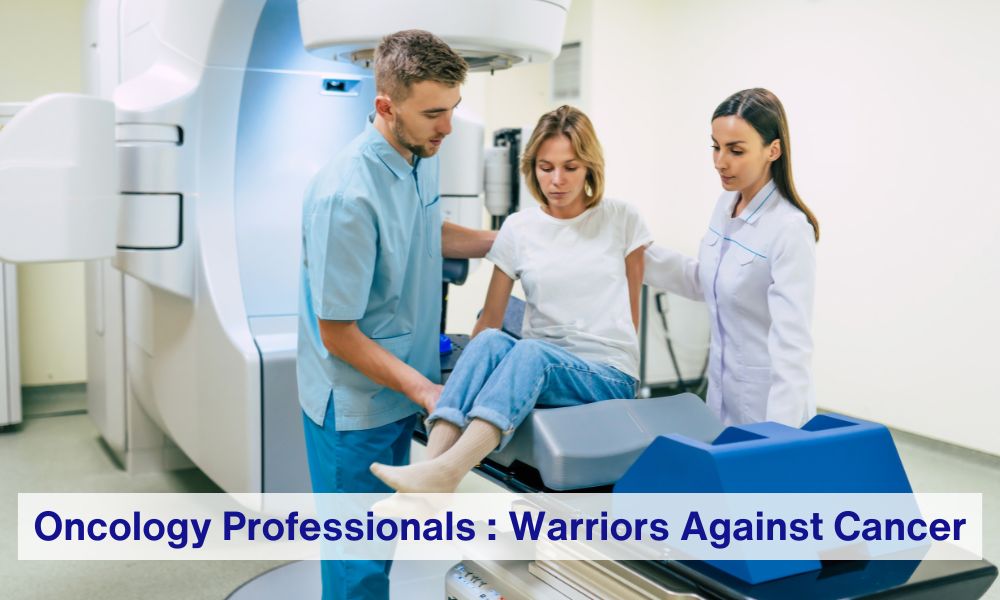
Oncology recruitment is the specialist process of sourcing, screening, and placing cancer care professionals, including medical oncologists, radiation oncologists, surgical oncologists, oncology nurses, and allied health staff, into hospitals, cancer centres, and specialist clinics. In the UAE, oncology professionals practicing in Dubai must hold a licence issued by the Dubai Health Authority (DHA), the regulatory body responsible for healthcare sector oversight in the emirate. DHA’s primary attribute is licencing authority over healthcare professionals in Dubai, and its value to employers is a verification system, enforced through the DataFlow primary source verification process, that confirms credentials before any clinical licence is issued. Abu Dhabi oncology practices fall under the Department of Health Abu Dhabi (DOH), the regulatory authority for all healthcare professionals and facilities in Abu Dhabi emirate, whose primary attribute is independent licencing and inspection authority, and whose value to oncology employers is a distinct DataFlow-based verification pathway that runs separately from DHA and cannot be substituted by a Dubai licence. For specialist healthcare recruitment services UAE, RFS HR Consultancy places professionals across Dubai, Abu Dhabi, and the wider GCC.
Oncology is one of the most technically demanding recruitment verticals in UAE healthcare. The combination of high sub-specialisation (haematological oncology, thoracic oncology, paediatric oncology), mandatory regulatory licencing, and a globally competitive candidate market makes it one of the slower sectors to fill. Roles that take three weeks to fill in general medicine regularly take three to four months in oncology.
Oncology Role Licencing in UAE: DHA and DOH Requirements by Clinical Category
| Role | UAE Licencing Authority | Credential Verification | Typical Shortlist Timeline |
|---|---|---|---|
| Medical Oncologist | DHA (Dubai) / DOH (Abu Dhabi) | DataFlow primary source verification | 6 to 12 weeks |
| Radiation Oncologist | DHA / DOH | DataFlow + equipment-specific competency | 8 to 14 weeks |
| Surgical Oncologist | DHA / DOH | DataFlow + surgical privileges review | 8 to 16 weeks |
| Oncology Nurse | DHA / DOH / MOH | DataFlow + HAAD/DOH exam (for Abu Dhabi) | 4 to 8 weeks |
| Oncology Pharmacist | DHA / DOH | DataFlow + pharmacy licence | 4 to 8 weeks |
| Palliative Care Specialist | DHA / DOH | DataFlow | 8 to 14 weeks |
For Saudi Arabia, the Saudi Commission for Health Specialties (SCFHS) is the regulatory authority that certifies and licences oncology professionals. SCFHS’s primary attribute is classification authority over all health specialties in the Kingdom, and its value to oncology employers is a unified credentialing system covering both Saudi nationals and expatriate practitioners. All expatriate oncology professionals entering Saudi Arabia must complete SCFHS verification, typically through the DataFlow process, before receiving a Saudi practice licence.
Oncology Specialist Hiring Timeline: UAE (DHA/DOH Pathway)
Week 1–2
Candidate sourcing and screening. CV review, English language check, specialist credentials verified.
Week 3–5
DataFlow primary source verification initiated. Home country credentials confirmed with issuing bodies.
Week 6–10
DHA or DOH licence application submitted. HAAD top-up exam sat (if required). MOH bridge evaluation.
Week 11–14
Licence issued. Offer letter issued. Visa and Emirates ID processing begins with employer sponsor.
Week 15–20
Candidate arrives, induction complete. Hospital credentialling and department orientation finalised. Ready to practice.
Oncology Recruitment Barriers: Primary Source Verification, Quota Limits, and Specialist Supply Gaps
Oncology recruitment presents specific challenges that do not exist in the same form in other healthcare disciplines.
- High sub-specialisation creates thin candidate pools. A hospital seeking a paediatric haematologist with Gulf experience is searching a global pool of perhaps 50 to 100 candidates who meet all the criteria. That is not a recruitment problem you solve with a job board post.
- Multi-stage licencing adds weeks to every hire. DataFlow verification for medical oncologists takes 4 to 8 weeks on average. DHA licencing adds 2 to 4 weeks after DataFlow completion. Employers who do not start DataFlow until after offer acceptance are adding 6 to 12 weeks to their start date timeline.
- Dual licencing for cross-emirate practitioners. A medical oncologist licenced by DHA cannot automatically practice in Abu Dhabi without a separate DOH licence. For hospitals or networks operating in multiple emirates, this creates an additional credentialing layer.
- Competition from European and North American employers. UK, Australian, and Canadian healthcare systems actively recruit in the same international oncology pool. GCC employers compete with systems that offer permanent residency pathways, which changes the dynamics of candidate attraction.
- Salary expectations set by international benchmarks. Experienced oncologists in the UAE earn AED 480,000 to AED 960,000 per year depending on sub-specialisation and experience. Underestimating market rates at the offer stage is a consistent failure point in oncology recruitment.
Oncology Recruitment Strategy: 8 Steps from Vacancy to Licenced Professional
- Define the sub-specialisation precisely. “Oncology” is not a sufficient role definition. Specify: solid tumour vs haematological, adult vs paediatric, organ-specific (hepatocellular, breast, lung). The more specific the definition, the more targeted the search.
- Confirm DHA or DOH licencing pathway before advertising. For complex sub-specialisations, consult DHA or DOH early on whether the proposed credentials will support licencing. Some international qualifications require additional UAE validation steps.
- Start DataFlow verification early. Brief candidates on the DataFlow timeline at first contact and begin the process immediately on candidate acceptance of the brief, not after offer letter. This compresses the overall timeline significantly.
- Source internationally through specialist networks. Oncology professional associations, sub-speciality conference directories, and academic research publication networks are more productive sources for senior oncology candidates than general job boards.
- Assess clinical and cultural fit together. UAE cancer care environments are multicultural, multi-disciplinary, and often under high patient volume pressure. Candidates who perform excellently in Western academic centres sometimes struggle with the administrative and cultural environment. Include a structured cultural fit interview module.
- Manage competing offers proactively. Senior oncology candidates will receive competing offers during any search process lasting more than four weeks. Communicate offer timelines clearly and check in weekly during the candidate decision period.
- Support the relocation process. For oncology professionals relocating from Europe, Australia, or North America, the logistical complexity of UAE relocation is a barrier. Employers who provide dedicated relocation support retain candidates at higher rates than those who issue an offer and leave the candidate to manage independently.
- Register DHA/DOH licence before Day One. Clinical professionals cannot practice until their licence is active. Confirm licence issuance date relative to the planned start date, and build a contingency in the plan for administrative delays in the licencing process.
Oncology Recruitment in Saudi Arabia: Saudization and SCFHS Requirements
Saudi Arabia’s Nitaqat Saudization system, administered by the Ministry of Human Resources and Social Development (MHRSD), applies to healthcare employers including oncology departments. Healthcare sector Saudization targets require hospitals to employ Saudi nationals in defined proportions of their clinical workforce. MHRSD’s primary attribute is enforcement of Saudization quotas through the Nitaqat compliance system, and its consequence for oncology employers is that every expatriate oncology hire must sit within a workforce plan that demonstrates Saudi national development alongside it.
The SCFHS runs structured training and residency programs for Saudi oncology trainees. Employers who build relationships with SCFHS-affiliated training programs and King Faisal Specialist Hospital oncology departments create pipelines for SCFHS-certified Saudi oncology professionals entering the workforce over a 3 to 5 year horizon. That pipeline is the sustainable answer to Saudization in oncology, not emergency quota-filling at inspection time.
I have seen oncology departments in Riyadh that have built excellent Saudization outcomes not by compromising clinical hiring standards, but by investing in fellowship extensions and structured mentoring for Saudi trainees. Two of those departments promoted Saudi oncologists to department head level within four years of the program starting. That is a better outcome than any quota exercise delivers.
Palliative Care and Oncology Support Roles in UAE: Growing Demand
Something worth raising here that sits slightly outside the main oncology sourcing argument: the fastest-growing recruitment demand in UAE cancer care is not for treatment-focused oncologists but for palliative care and supportive oncology roles. As UAE cancer centres expand their service models beyond acute treatment, demand for palliative medicine specialists, oncology psychologists, and advanced oncology nurses with palliative certification is rising faster than supply.
Employers who plan their oncology staffing models around treatment roles only will face shortfalls in the supportive care workforce within the next two to three years. Building recruitment pipelines for palliative care alongside treatment oncology is the ahead-of-curve move.
My view, and the data is still emerging on this, is that UAE cancer centres that integrate palliative care earlier in the patient pathway produce better clinical outcomes at lower total cost, and the recruitment investment in palliative specialists delivers measurable value beyond just compliance with evolving MOH care standards. This is one of those areas where getting ahead of the workforce shortage is genuinely strategic.
Frequently Asked Questions: Oncology Recruitment in UAE
How long does it take to recruit a medical oncologist for a Dubai hospital?
Recruiting a medical oncologist for a DHA-licenced hospital in Dubai typically takes 12 to 20 weeks from vacancy definition to the licensed professional starting work. The main timeline drivers are sourcing (4 to 8 weeks for specialist sub-specialisations), DataFlow credential verification (4 to 8 weeks), DHA licencing (2 to 4 weeks after DataFlow), and work permit processing (2 to 3 weeks). Employers who start DataFlow at candidate acceptance rather than post-offer save 4 to 6 weeks from the overall timeline.
Can a DHA-licenced oncologist practice in Abu Dhabi hospitals?
No. A DHA licence is valid for clinical practice in Dubai only. An oncologist wishing to practice in Abu Dhabi requires a separate licence from the Department of Health Abu Dhabi (DOH). DOH requires its own application, credential verification, and licence fee. For practitioners working across both emirates, both licences must be held simultaneously. The DOH licencing timeline is broadly similar to DHA: DataFlow verification followed by a DOH review period of 2 to 4 weeks after verification completion.
Oncology Specialist Salary Benchmarks — UAE (AED per annum)
| Role | Public Sector (Dubai) | Private Hospital (UAE) | Saudi (SCFHS) |
|---|---|---|---|
| Consultant Oncologist | AED 380K–550K | AED 480K–750K | SAR 420K–700K |
| Radiation Oncologist | AED 340K–500K | AED 420K–680K | SAR 380K–620K |
| Haematology Oncologist | AED 360K–520K | AED 460K–700K | SAR 400K–660K |
| Oncology Nurse Specialist | AED 100K–155K | AED 120K–180K | SAR 95K–150K |
Indicative benchmarks — packages include housing, transport, and medical. Actual figures vary by hospital group and experience.
What credentials do oncology nurses need for DHA licencing in UAE?
Oncology nurses seeking a DHA licence must have a recognised nursing degree (BSN preferred, with diploma nurses requiring additional qualification review), a minimum of 2 years post-qualification clinical experience in oncology nursing, and completed DataFlow primary source verification of their nursing credentials. Oncology specialisation certification (such as OCN from the Oncology Nursing Society) strengthens the application but is not always mandatory. DHA issues licences by competency category; oncology nursing falls within the Registered Nurse (Clinical Specialisation) category.
Further Reading: Healthcare Recruitment UAE and Saudi Arabia
- Orthopedic Recruitment UAE and Saudi Arabia: DHA, DOH, and SCFHS Sourcing
- Dental Recruitment in Middle East: DHA and MOH Licencing for Dental Professionals
- Healthcare Recruitment Agency UAE: DHA and DOH Licenced Professionals
- Recruitment Services Dubai: Healthcare and Specialist Clinical Hiring
For oncology employers in the UAE private sector covered under Cabinet Resolution No. 18 of 2022, Nafis, the federal Emiratisation program, requires documented sourcing of UAE nationals for targeted roles before filling positions with expatriate candidates. In oncology nursing and allied health roles, the Nafis platform carries a growing pool of UAE national healthcare graduates who qualify for clinical support and nursing positions in cancer care settings. Actually, thinking about it more carefully, the Nafis pool for oncology is more relevant for allied health and nursing roles than for specialist surgeon positions, and employers who segment their Emiratisation sourcing by role type rather than applying a blanket approach manage the process more efficiently. My view, and the data on this is still emerging, is that UAE national oncology nurses who receive structured mentoring in their first 12 months stay in the role significantly longer than those who receive standard onboarding, which makes the mentoring investment one of the highest-return actions an oncology department can take for both retention and Emiratisation compliance outcomes.
To source DHA or DOH-licenced oncology professionals for your UAE cancer care team, with DataFlow pre-screening built into the search process, contact the RFS HR Consultancy healthcare team today.
Explore related RFS HR Consultancy resources: our executive search firm Dubai UAE for C-suite and director-level placements, Emiratisation recruitment agency UAE for MoHRE quota compliance, UAE salary guide 2025 for compensation benchmarks across all industries, UAE labour law for employers 2025 for Federal Decree-Law No. 33 of 2021 compliance, and recruitment process outsourcing services UAE for high-volume hiring solutions.