
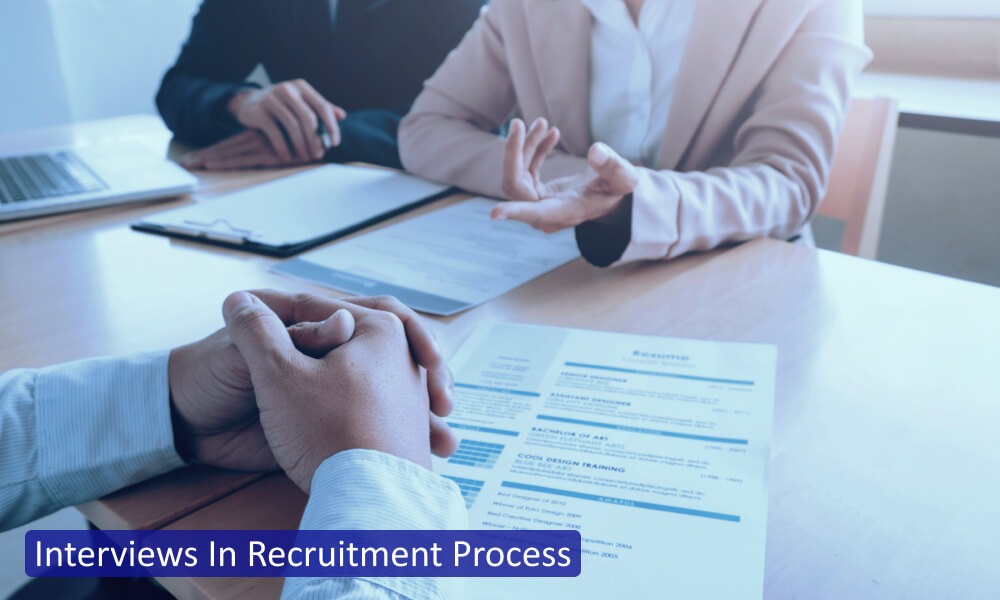
In the ever-evolving world of human resource management and talent acquisition, interviews are a cornerstone of the recruitment process. These face-to-face or virtual interactions between candidates and a recruitment agency play a crucial part in shaping the trajectory of an organization.
It is not wrong to say interviews are more than just a string of questions and answers. They are assessments that enable employers to evaluate a candidate’s skills, qualifications, cultural fit, and potential contribution to the company.
“A lot of times the interview relies not so much on the interviewee, but on the interviewer.”
Ernie Johnson Jr.
Therefore, before going full speed ahead in the recruitment process, plan the interview especially if you are having an executive search hiring. A good hiring plan will help your business develop and simplify finding and hiring the candidate who fits.
In exploring the importance of interviews in the recruitment process, we delve into the multifaceted reasons why they are required, shedding light on their role as an essential component of an organization’s future success.
So, let’s get started!
Table of Contents
Evaluate the Candidate’s Professional Background During Recruitment:
The interview is helpful in many ways, and the first and foremost is that it allows you to evaluate the qualifications and professional background of the candidate. You can ask questions as many as you want to get an idea of industry knowledge, work experience, and prior qualifications.
The answer to the question helps to evaluate the professional background. It lets you choose the best employee to align with the company’s goal. Moreover, you can know that after recruiting the candidate, you must train them, or it is optional.
Behavioral Assessments:
The applicant is going to be your next colleague or employee for years, and assessment and evaluation of professional and educational qualifications is one of many things you should be considering. The interviews help the interviewers assess and evaluate the candidates’ behavior, confidence level, ability to deal with hard situations, and ability to work with a team or individually.
Introduce the Candidate to the Company:
Want to hire a better person? You can introduce the applicant to your company’s leads. It helps you to make a decision on which candidate can have better work relationships with others and their authorities in the company. While doing so, you know whether the candidate can adjust and fit into the organization’s culture or whether there can be issues in the future.
Evaluate Candidate Skills:
The skills evaluation is another step that can be assessed in an interview. The recruiters can ask the right questions to determine the proficiency of candidates in different relevant soft and hard skills. You can ask questions about teamwork capabilities, communication, and problem-solving ability as a recruiter. Likewise, you can ask about their technical skills, like using Word or Excel sheets. A small hard skill test can be taken to check the candidate’s ability.
Find the Most Suitable Candidates:
All the effort is made to find the most suitable candidate who is best for the vacant position apart from assessment of their professional background, experience, and suitable skills. The interview is helpful to assist you in picking the right applicant to get into the next stage of recruitment. Moreover, it helps get the recruitment process done quickly and fills the vacant positions quickly in the organization.
Explain the Work & Company Expectations:
The interview is a crucial stage of hiring where both employee and candidate get to know each other and see whether they can or will comply with the company policies and work environment or not! While asking questions, you can introduce them to a few of the organization’s crucial expectations, rules, and regulations. A few of the details that should be explained are:
- Their responsibilities and duties
- Work schedule
- Work environment
- Introduce them to the managers or leads they have to be reporting to while on the job.
Types of Candidate Interviews:
The different types of interviews help assess the candidate most perfect for the job in your company, whether it’s normal hiring or an executive search hiring. A few of the interview types are:
- Group Interview: The approach helps you evaluate the candidate’s skills for the position and decide whether the candidate is qualified enough to be called for individual interviews.
- Telephone Interview: It is the best type to save time and help you quickly determine whether the candidate is suitable for the position. It allows you to assess whether the applicant called for a detailed one-on-one interview.
- Individual Interview: It is the most comprehensive and conclusive phase of the candidate’s assessment. In individual interviews, you can assess the prior experience, skills, and qualifications and analyze the candidate’s personality.
Key Factors to Assess When Interviewing Candidates
A few of the key factors that should be assessed during the interview are:
Confidence:
A candidate who appears in the interview with confidence means they are displaying the knowledge and skills they believe they have in them. Confidence is a key factor that shows the applicant is suitable for the company in the long run and can succeed as a lead in your organization. It also helps to evaluate their soft skills.
Leadership Potential:
While taking individual interviews, you can assess the candidate’s leadership potential. It also gives you an idea of how your future employee can work under pressure and difficult times.
Communication Skills:
Every organization seeks a candidate who has good communication skills. The skills can be evaluated by asking in-depth questions. You can also learn about their writing communication skills through email before interviewing and evaluating the answer with clarity and professionalism in the response.
It is a crucial stage for candidates, too. According to the stats, only 20% of applicants reach the interview round, and 40% are rejected as they cannot make a good first impression.
Non-verbal communication:
You can also monitor the non-verbal communication in an interview. The non-verbal skills can be evaluated by noting a few things, including;
- Relaxed posture
- Eye-contact
- Leading in the communication.
Attitude:
Last but not on the list is evaluating the candidate’s attitude. The attitude can affect the work environment, so finding an applicant with a positive outlook is important. Learning about their attitude can help predict how they will interact with colleagues, customers, leads, and managers of the companies in the future.
Conclusion
The interview is an important round of evaluation for both the employee and the candidate. So, as a recruiter, you should know the right questions; on the other hand, as a candidate, you should answer with confidence and your best knowledge to get hired. The ideal practice is to hire the best recruitment agency as they have a team of competent and experienced headhunters. The headhunters help you assess and find the best candidate for the vacant position.
Also Read Our Related Blogs: